
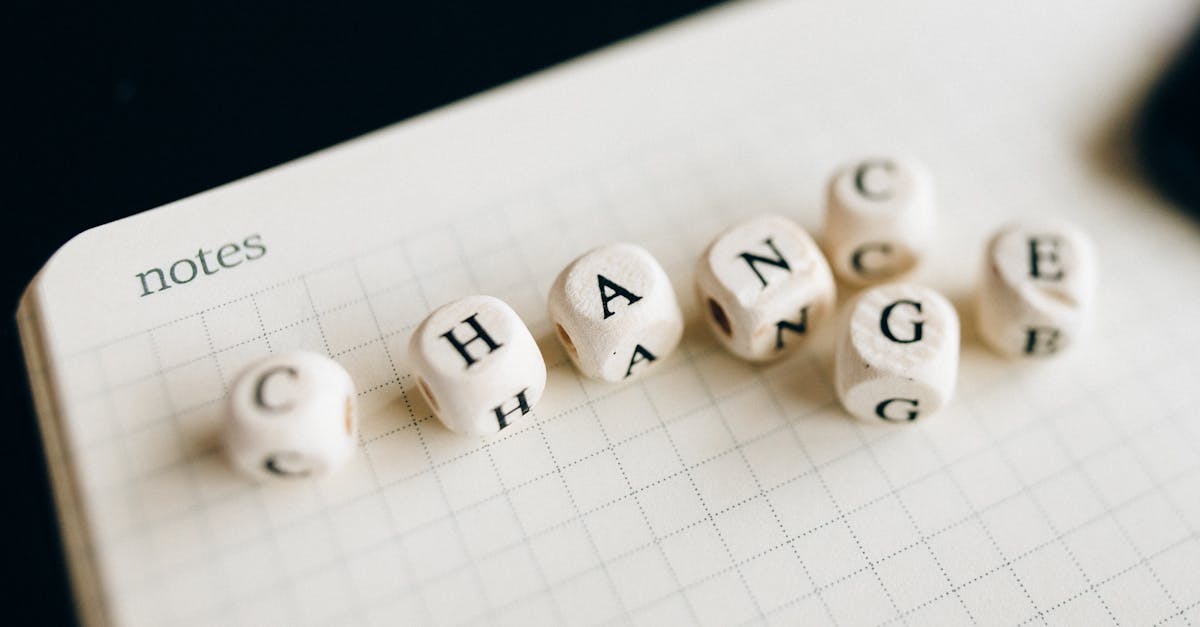
Group Activities Featuring Word Puzzles
Engaging in group activities centered around word puzzles fosters a collaborative environment where participants can strengthen their visual memory together. These settings enable individuals to share different strategies for tackling puzzles, leading to a richer problem-solving experience. Teamwork encourages participants to engage with the puzzles longer, which can enhance retention and recall. As members of a group work through challenges, they benefit from each other’s insights, which may help them remember words and patterns more effectively.
These activities also provide a fun and interactive way to build social connections among participants. The shared experience of completing puzzles can create a sense of camaraderie, making the process more enjoyable and memorable. With laughter and discussion accompanying the puzzles, the cognitive load can feel lighter, leading to a more relaxed atmosphere that is ripe for learning. This social aspect can be as beneficial as the cognitive exercise itself, reinforcing the overall effectiveness of puzzles in enhancing visual memory.
The Benefits of Collaborative Problem Solving
Engaging in group activities that involve word puzzles fosters a sense of community and encourages team dynamics. Participants share diverse perspectives and approaches, leading to enhanced creativity and problem-solving capabilities. Each member brings unique strengths to the table, contributing to a richer learning experience. Working collaboratively can also motivate individuals to push their limits, honing their skills in a supportive environment.
The social aspect of collaborative problem solving can significantly improve visual memory retention. When puzzle-solving occurs in a group, discussions and debates about word choices and clue interpretations help reinforce memory through active engagement. The process of communicating ideas and hearing others’ thoughts facilitates deeper cognitive connections, making the information more memorable. Through teamwork, individuals may find that they retain and recall details more effectively than when working alone.
The Role of Color and Design in Visual Memory
Color and design play crucial roles in how we process and remember information visually. When engaging with word puzzles, a well-chosen color palette can enhance focus and stimulate brain activity. Bright, contrasting colors can draw attention to important elements, making them stand out in a crowded visual landscape. This is especially beneficial in puzzles where key words or patterns need to be identified quickly.
Aesthetically pleasing designs can also contribute to improved recall. When individuals find a word puzzle visually attractive, they are more likely to engage fully with the task. Patterns, shapes, and textures used in puzzle backgrounds can create memorable associations with the words themselves. Such connections can help reinforce memory retention, making it easier to retrieve the information later on.
How Aesthetic Elements Affect Recall
Colors and designs play a significant role in how well individuals recall information. Research indicates that vibrant colors can capture attention more effectively than dull hues. When engaging with word puzzles, the lively aesthetics not only make the activity more enjoyable but also enhance memory retention. Users tend to remember words associated with specific colors, as brain responses to colorful stimuli can trigger stronger emotional connections and deeper processing.
The layout of puzzles also influences memory recall. A well-organized design that balances whitespace and text helps to avoid overwhelming the participant. Clarity and readability can facilitate better engagement with the material, leading to improved focus and retention. Moreover, incorporating thematic visuals into puzzles can create contextual cues that aid memory, making the overall experience more stimulating and memorable.
Technology and Word Puzzles
The rise of digital technology has transformed the way people engage with word puzzles. Online platforms and mobile applications offer a variety of puzzles that can be customized in difficulty and style. These tools create an interactive environment that makes the puzzles more accessible and appealing to a broader audience. Users can challenge themselves in different contexts, encouraging a more engaging experience that adapts to individual preferences.
In addition to offering a range of puzzle formats, technology also allows for innovative features that enhance visual memory. Gamification elements, such as scoring systems and timed challenges, motivate users to improve their performance. Furthermore, many applications incorporate visual aids and hints that help users make connections between words and imagery, reinforcing memory retention. This dynamic approach not only keeps users invested but also promotes repeated exposure to the material, deepening their understanding and recall.
Digital Tools for Enhancing Visual Memory
The advent of technology has transformed the landscape of educational tools, making word puzzles more accessible and engaging. Mobile apps and online platforms offer a variety of puzzles that cater to different skill levels, allowing users to practice and improve their visual memory in a fun and interactive way. Features like timed challenges and score tracking add an element of competition, motivating users to push their boundaries and enhance their cognitive abilities.
Incorporating elements like sound effects and animations can further stimulate interest and engagement. By blending traditional word puzzles with modern design, these digital tools immerse users in an enjoyable learning experience. Many applications also provide personalized feedback, helping individuals identify areas for improvement. Utilizing these tools can foster a deeper understanding of word patterns and relationships, ultimately strengthening visual memory retention.
FAQS
What are word puzzles, and how can they enhance visual memory?
Word puzzles are games or activities that require players to manipulate letters and words, such as crosswords, word searches, and anagrams. These puzzles engage visual processing and cognitive skills, which can help improve visual memory by reinforcing the ability to recognize and recall patterns and words.
How do group activities involving word puzzles benefit visual memory?
Group activities promote collaborative problem-solving, allowing participants to share different perspectives and strategies. This interaction not only makes the experience more enjoyable but also enhances memory retention through social engagement and discussion, reinforcing the information learned.
What role do color and design play in improving visual memory?
Color and design can significantly affect the way information is processed and recalled. Aesthetic elements can make word puzzles more engaging, helping individuals to remember words and patterns more effectively by creating a visually stimulating environment that captures attention.
Can technology aid in enhancing visual memory through word puzzles?
Yes, technology can provide a variety of digital tools and applications designed to create interactive word puzzles. These tools often incorporate features like colorful graphics, sound effects, and tracking progress, making the learning process more engaging and potentially improving visual memory.
Are there specific types of word puzzles that are better for visual memory enhancement?
While any word puzzle can be beneficial, puzzles that require spatial reasoning, such as word searches and jumbles, tend to be particularly effective. These types of puzzles challenge individuals to visualize words in different orientations and contexts, enhancing their overall visual memory capabilities.